Accueil
Solutions

...

Transport

Camion de marchandises

Vue d’ensemble

La solution Dahua pour camions de marchandises intelligents permet une surveillance visuelle embarquée grâce à des technologies intelligentes, assure une supervision en temps réel pendant la conduite, et identifie puis signale les comportements de conduite illégaux ainsi que les risques potentiels liés à la conduite. Elle réduit efficacement le taux d’accidents des véhicules, garantit la sécurité du personnel et prend en charge la collecte de preuves après incident, afin d’améliorer l’efficacité opérationnelle globale de l’entreprise.

1

Driving Seat

2

Vehicle Blind Spots

3

Fleet management

1

Driving Seat

2

Vehicle Blind Spots

3

Fleet management

Vehicle Blind Spots

Défis

Trucks have significant blind spots—including four major areas: the front blind spot, rear blind spot, mirror blind spot, and A/B-pillar blind spot—making collisions with pedestrians and non-motorized vehicles in these areas common and often resulting in serious accidents with casualties.

Trucks have significant blind spots—including four major areas: the front blind spot, rear blind spot, mirror blind spot, and A/B-pillar blind spot—making collisions with pedestrians and non-motorized vehicles in these areas common and often resulting in serious accidents with casualties.

Fleet management

Défis

Without real-time video or trajectory recording, it is impossible to reconstruct the full process of loading, unloading, and transporting goods. If a loss occurs (such as theft during transit, omission during loading or unloading, or internal theft by personnel) it is difficult to quickly determine the time, location, and responsible party. Subsequent investigations often rely on human confessions or scattered external evidence, which is inefficient and can easily lead to a “lack of evidence” situation.
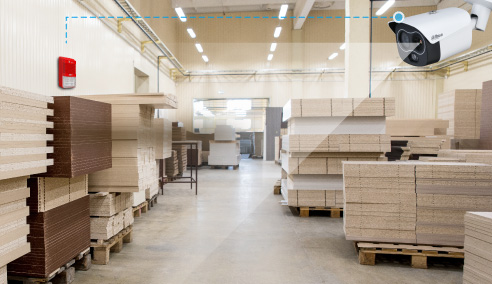
Without real-time video or trajectory recording, it is impossible to reconstruct the full process of loading, unloading, and transporting goods. If a loss occurs (such as theft during transit, omission during loading or unloading, or internal theft by personnel) it is difficult to quickly determine the time, location, and responsible party. Subsequent investigations often rely on human confessions or scattered external evidence, which is inefficient and can easily lead to a “lack of evidence” situation.