























.png)


























.png)
.png)










.png)



Transforming Higher Education: UNESA’s Journey Toward a Smart and Digital Campus in Indonesia
#Education


Universitas Negeri Surabaya (UNESA), established in 1964, is one of Indonesia’s leading public universities, known for its strong focus on education, science, and technology. As a key institution responsible for developing future educators in Indonesia, UNESA continuously strives to elevate teaching quality and modernize its academic environment.

In 2024, the university embarked on an ambitious digital transformation journey aimed at upgrading its campus infrastructure. Its vision was clear: to implement smart hybrid classrooms, enhance micro-teaching capabilities, and establish a safer, more intelligent campus ecosystem. At the same time, Dahua’s local team was expanding into the education sector and partnered with key system integrators to deliver a comprehensive solution tailored to UNESA’s evolving needs.
Challenges
As UNESA scaled its academic ambitions, several critical challenges emerged that limited its ability to deliver a modern, efficient, and secure campus experience, including:
1. Outdated Learning Environments: Many classrooms lacked the technology required to support hybrid learning and advanced teaching analysis. This made it difficult for educators to engage students effectively and limited the university’s ability to optimize teaching performance, particularly in micro-teaching scenarios.
2. Inefficient Attendance Management: Manual attendance tracking created unnecessary administrative burdens and increased the risk of errors. For a growing institution like UNESA, this process was not only time-consuming but also misaligned with its digital transformation goals.
3. Fragmented Security Infrastructure: The university relied on standalone CCTV systems without centralized management. This fragmented approach reduced visibility across campus and limited real-time monitoring capabilities, making incident response slower and less effective.
4. Limited Proactive Threat Prevention: Without AI-powered analytics such as smart tracking and intelligent event detection, UNESA lacked the ability to identify potential risks early. This gap hindered proactive security measures and efficient evidence collection when incidents occurred.
Solutions
To support UNESA’s transformation, Dahua implemented an integrated solution that combined advanced classroom technology, intelligent automation, and AI-driven security into a single ecosystem. It includes:

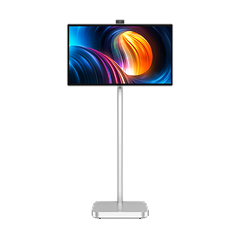
1. Smart Hybrid Learning Classrooms: Dahua modernized classrooms with interactive displays, lecture recording systems, and real-time collaboration tools. These enhancements enabled seamless hybrid learning experiences, improved student engagement, and allowed educators to conduct more effective teaching and evaluation.
2. Intelligent Attendance Management: By introducing facial recognition-based attendance, Dahua eliminated manual processes and significantly reduced errors. The system synchronizes data in real time with the university’s LMS, streamlining administrative workflows and saving valuable time for both faculty and staff.

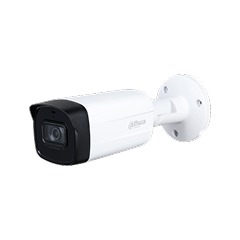
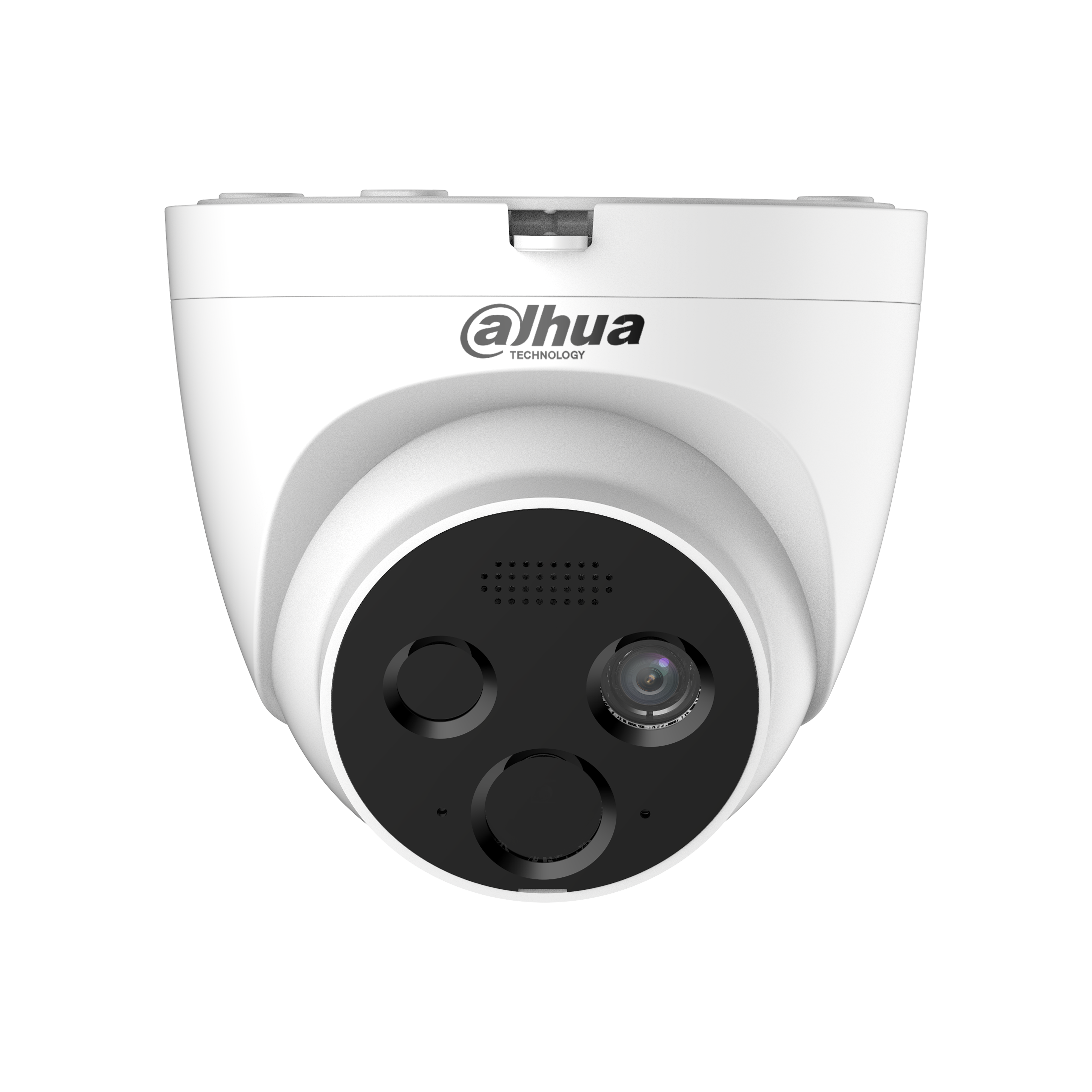
3. AI-Driven Campus Security: Dahua deployed a comprehensive surveillance system integrating 360° cameras, perimeter protection, and intelligent recognition technology. This solution enables real-time threat detection across the campus, ensuring a safer environment for students and staff.
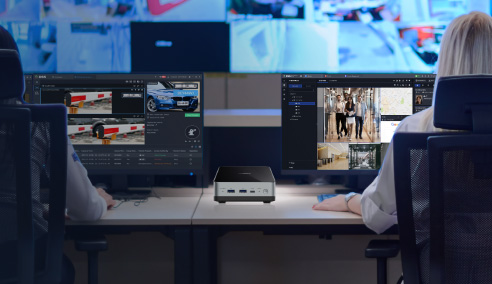
4. Unified Smart Security Platform: A centralized platform powered by AI analytics (e.g., AccuPick, E-Map, and face tracking) provides real-time alerts, advanced monitoring, and efficient evidence collection. This unified system enhances operational efficiency while enabling proactive threat prevention.
Results
Dahua’s intelligent solution delivered immediate and measurable impact across both academic and operational areas. UNESA successfully transformed its classrooms into dynamic hybrid learning environments, significantly improving teaching effectiveness and student engagement. Administrative processes, particularly attendance tracking, became faster, more accurate, and fully automated. At the same time, the university achieved a major leap in campus security. With centralized monitoring and AI-powered analytics, UNESA now benefits from enhanced situational awareness, faster response times, and stronger preventive capabilities. Beyond operational improvements, the project also created long-term strategic value. The successful deployment led to the signing of a memorandum of understanding (MOU) between Dahua and UNESA, paving the way for continued innovation and upgrades in the future.

"The vision of UNESA in building an integrated and secure smart campus to create a humanistic and futuristic campus. With technology partners such as Dahua, we want to make sure that students not only get advanced smart classroom facilities with the DeepHub smart interactive whiteboard to support hybrid learning but also feel safe because the campus environment is monitored by an intelligent security system," says Prof. Dr. Dwi Cahyo Kartiko, S.Pd., M.Kes., Vice Rector IV of UNESA. “This integration is important so that technology does not operate independently but instead supports one another for the comfort of the academic community. When lecturer and students feel safe, productivity, research, and learning will increase," he added.

"With AI-based perimeter protection our system is now becoming proactive. That feature Intrusion Detection and Tripwire on perimeter cameras will give a pop up notification in the NOC control room. This helps cut the security team's response time from tens of minutes to just seconds and allows prevention before any damage occurs," says I Gusti Lanang Putra Eka Prismana, S.Kom., M.Kom, Director of Information and Communication Technology (ICT) at UNESA.


